Data-driven storytelling: creating credibility, clarity, and commercial impact

Becky
Becky 1 min • 18 Mar 2026

Working closely with B2B brands in the technology and industrial sectors at Torpedo, we see first-hand how integral data is to the modern economy.

From the data centres driving AI advancements, to the SaaS (Software-as-a-Service) platforms optimising industrial performance, organisations today have access to more information than ever before.

But abundance creates its own challenges. When every brand publishes charts, dashboards, and statistics, we risk overloading our audiences with information that doesn’t feel meaningful. Without context, data will overwhelm rather than persuade.

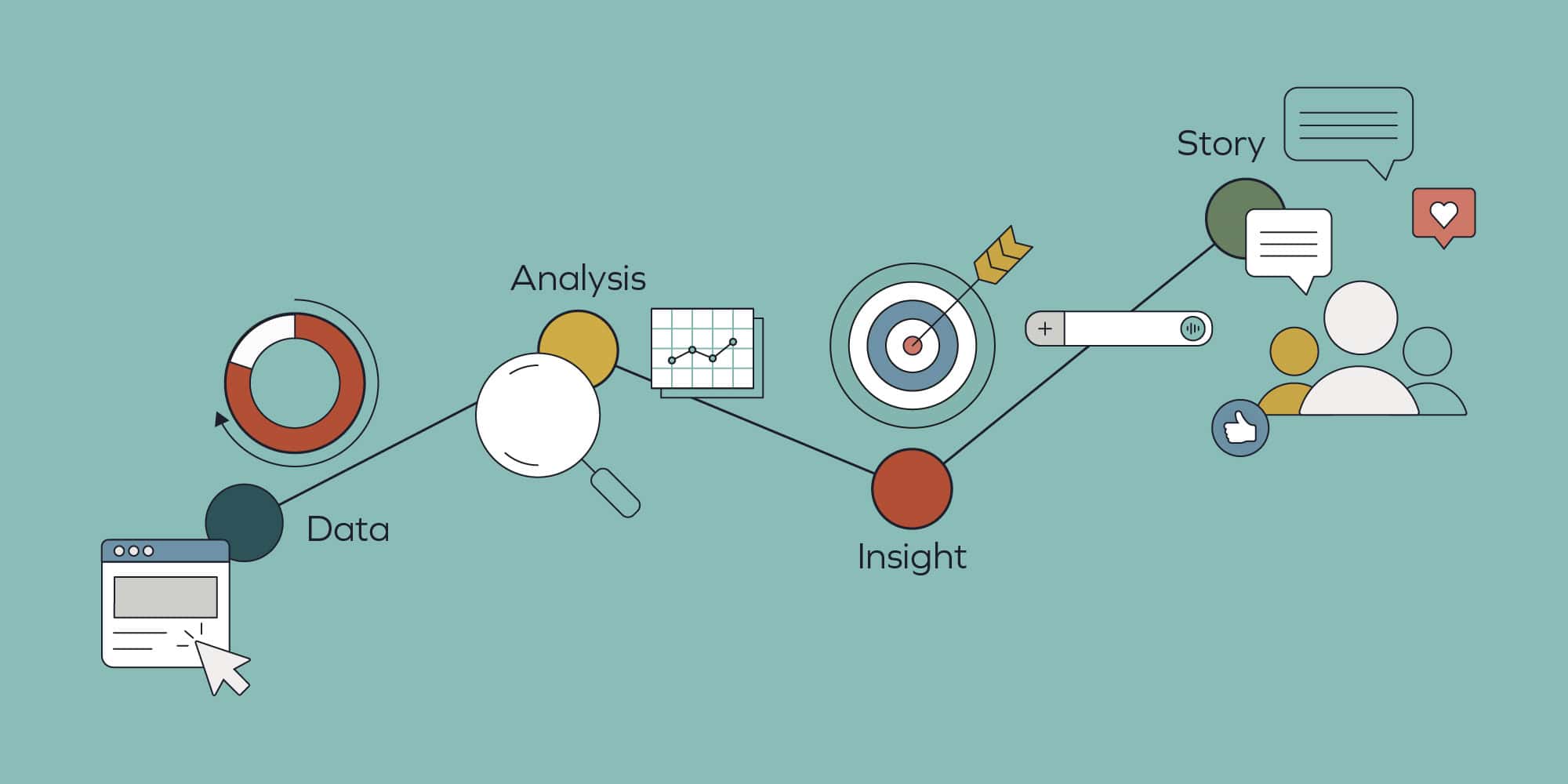
It’s only when we interpret the data that we can give it purpose and ensure it resonates. By creating a coherent narrative to support the data, we can transform it into a powerful tool of persuasion. This is the beauty of data storytelling.

What is data storytelling?

Data storytelling is about turning raw data into relatable stories. It’s about making complex information digestible and compelling, so that your target audience can gain true value from it. To do it well, you need to ensure you’re using robust, credible data, interpreting valuable insights, and bringing it to life within an engaging narrative.

Why data storytelling is so valuable in B2B marketing.

In industrial and technology markets, buyers are sophisticated. Engineers, procurement teams, and C-suite leaders are used to interrogating data. They don’t need more numbers. They want the clarity to be able to draw conclusions quickly. Numbers inform, but stories persuade.

  1. It builds credibility and authority.
    When you add your own insight, you ensure your content stands out. Its value is far greater than ‘just another report’. You’re presenting the facts with context and a bespoke commentary, giving people a perspective that they can agree with – or challenge.
  1. It appeals to both sides of their brain.
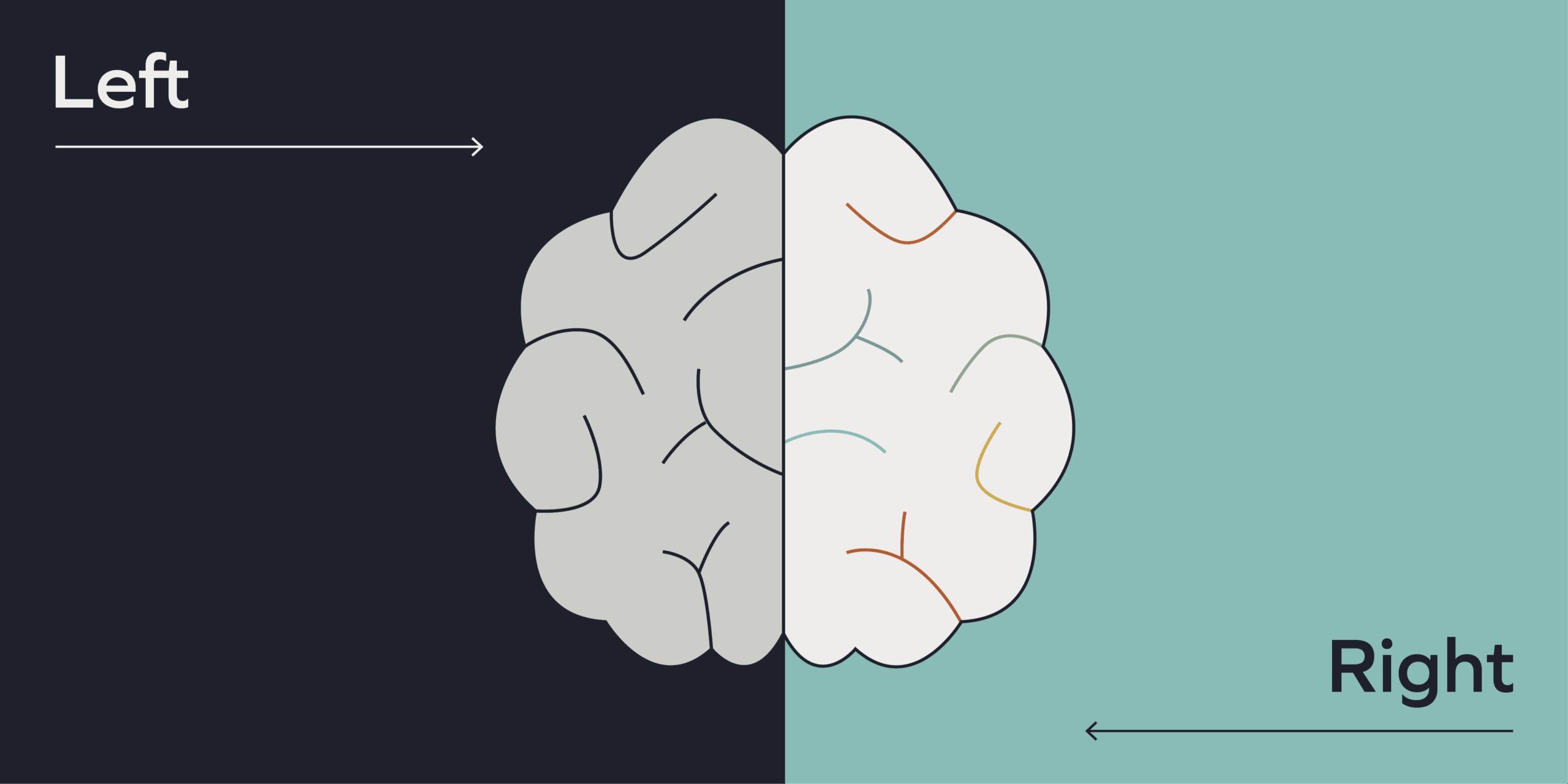
    We often treat B2B buyers as methodical, rational decision-makers. But research tells us B2B buyers actually form stronger emotional bonds with brands than their B2C counterparts. Storytelling taps into the right hemisphere of the brain, helping people parse factual information in a more idiosyncratic, intuitive way. Grounding this narrative with research ensures you’re appealing to their logical left side of the brain at the same time.
  1. It makes data complexity more accessible.
    Buyer journeys typically involve several stakeholders – some are influencers, some are the final decision-makers. Each persona will likely evaluate your brand against a slightly different criteria. Numbers on their own can be confusing – even impenetrable. Contextualising them with a clear narrative and visualisation makes insights easier to digest, helping the diverse audiences act on them with conviction.
  1. It has a commercial impact.
    Brands using advanced analytics and data-driven storytelling see higher ROI, improved conversion rates, and increased average order value. In fact, stories can increase perceived product value by up to 2,706%. By embedding storytelling within your content strategy, you build lasting trust, credibility, and that all-important brand equity.

What B2B stories can data tell?

The potential is almost limitless. But the best opportunities come when you can make use of proprietary data. This instantly adds value to your content and positions your brand as an authority. A few examples might be:

  • Combining proprietary data with historical industry information to highlight long-term trends and make confident predictions about future market change.
  • Sharing trends on how customers are using your software and demonstrating how you’re using these insights to shape your product roadmap.
  • Carrying out a survey within a niche market you’re looking to venture into and sharing these valuable insights with your channel partners to help them sell more effectively.

If you have unique insights in your content, you become a go-to source for industry knowledge. Simultaneously, your brand will build an affinity with your market so when they’re ready to purchase, your brand is top of mind.

Using high-value research to produce a year’s worth of content.

Data storytelling is at the heart of much of the work we do at Torpedo. Many of our projects start with raw data, which we then transform into narratives to inform, persuade, and drive action.

Take one of our technology clients that specialises in travel. Every year, they produce an annual trends report that includes a huge amount of new, proprietary data. We then help them to translate that raw, dense data into high-value assets. This might be analysing the numbers to identify the top trends for blog articles, or creating LinkedIn carousels and infographics to highlight key findings and make the content more digestible.

Each piece offers an opportunity to increase authority and engage the audience. We reuse this one dataset – with different narratives – across multiple campaigns throughout the year.

While conducting credible research requires investment, if you go about this in a smart way, you can extend the value of a single research project across a whole year’s worth of assets.

Building brand authority with valuable, proprietary data.

Against the context of a global skills gap in the job market, Hays wanted to position itself as a strategic talent partner. Our solution was a data-led report that combined Hays’ proprietary data with expert guidance on how businesses across different industries can navigate the difficulties of the talent market.

We analysed global data from Hays’ database, including job listings and applicant activity across five industries. This was then translated into a set of impactful, actionable insights.

The narrative highlighted the growing gap between available talent and open roles – including the intensifying effect of rapid digital transformation. Once the trends from the data had revealed themselves, we were able to interview the specialists at Hays to craft their supporting commentary.

It was common knowledge that there was a short supply of talent. But this report went deeper, highlighting which industries and countries were feeling the effects the most. With these more granular insights, Hays’ experts were able to explain how they can help organisations navigate these challenges more effectively.

And the results spoke for themselves. Within 48 hours of publication, the report generated over 30 pieces of press coverage. It also achieved 50% of our Q1 downloads target within the first two weeks.

As with all stories though, it’s about more than the metrics. The project positioned Hays as a trusted, authoritative voice in talent strategy, showing how quickly effective data-driven narratives can build brand credibility, influence perception, and have a commercial impact.

By turning complex datasets into structured, persuasive stories, Torpedo helps B2B brands in technology and industrial markets transform information into insight, and insight into influence.

Answering a few questions we hear from customers.

How do we prove credibility in a market where everyone claims to be data-driven?

Don’t just cite stats. Credibility comes from transparency and sourcing, but also from the insights you draw. Original research, proprietary datasets, and clear methodology demonstrate expertise.

How can our brand show leadership?

Lead with research, trends, and insight. Proactive analysis of your sector, backed by data, sets you apart from those responding to market noise. You should focus on insight over promotion, by highlighting trends, challenges, and actionable guidance in a way that actively furthers the goals of your audience, so they see you as a trusted advisor.

How do we engage technical and commercial buyers?

Relevance, accuracy, and clarity are simple principles – but they still work wonders. Buyers respond to content that respects their time, avoids unnecessary complexity, and shows that you understand their market and challenges.


Insights

More for you


How to measure your B2B brand’s AI performance

Andrew
Andrew 1 min • 17 Dec 2025

Whether you’re familiar with the concept of GEO (generative engine optimisation) or in the process of investigating how to implement its best practices, one critical part of the exercise is establishing your starting position. What’s your brand’s AI visibility looking like today?

Essentially, you can’t optimise what you haven’t measured! In this article, we’ll share our advice on how to measure your AI performance, prior to implementing any GEO guidance – and on an ongoing basis.

We’ve compiled a list of tactics to help you track how often your brand is surfaced, how it’s positioned against competitors, and whether the sentiment attached to those mentions is helping or harming your reputation.

The following framework of manual tasks is designed to slot neatly into your existing analytics stack and get your brand up to speed in the realm of AI performance tracking – and benchmarking – without necessarily investing in an additional tool.

Of course, it’s also worth saying, the pace of AI adoption and platform evolution is crazy. This is just a starter kit. If you want more advice after reading our how-to guide, don’t hesitate to get in touch.

1. Manually track citation frequency across multiple LLMs.

Begin by manually creating a core set of queries (as many as you feel is appropriate for your brand). Think carefully about how you phrase these. The more you mimic the language and sentiment of your real buyers and prospects, the better. Take your time to align these prompts with your business goals and key moments of the purchasing journey.

Early-stage prompts:

“What are the leading XYZ platforms that could help my tech start-up?”

Mid-funnel comparisons:

“Compare XYZ and ABC’s features. Give me a clear breakdown, explaining which features me and my team will find most valuable. I run a busy, global manufacturing business.”

Late-stage proof-point requests:

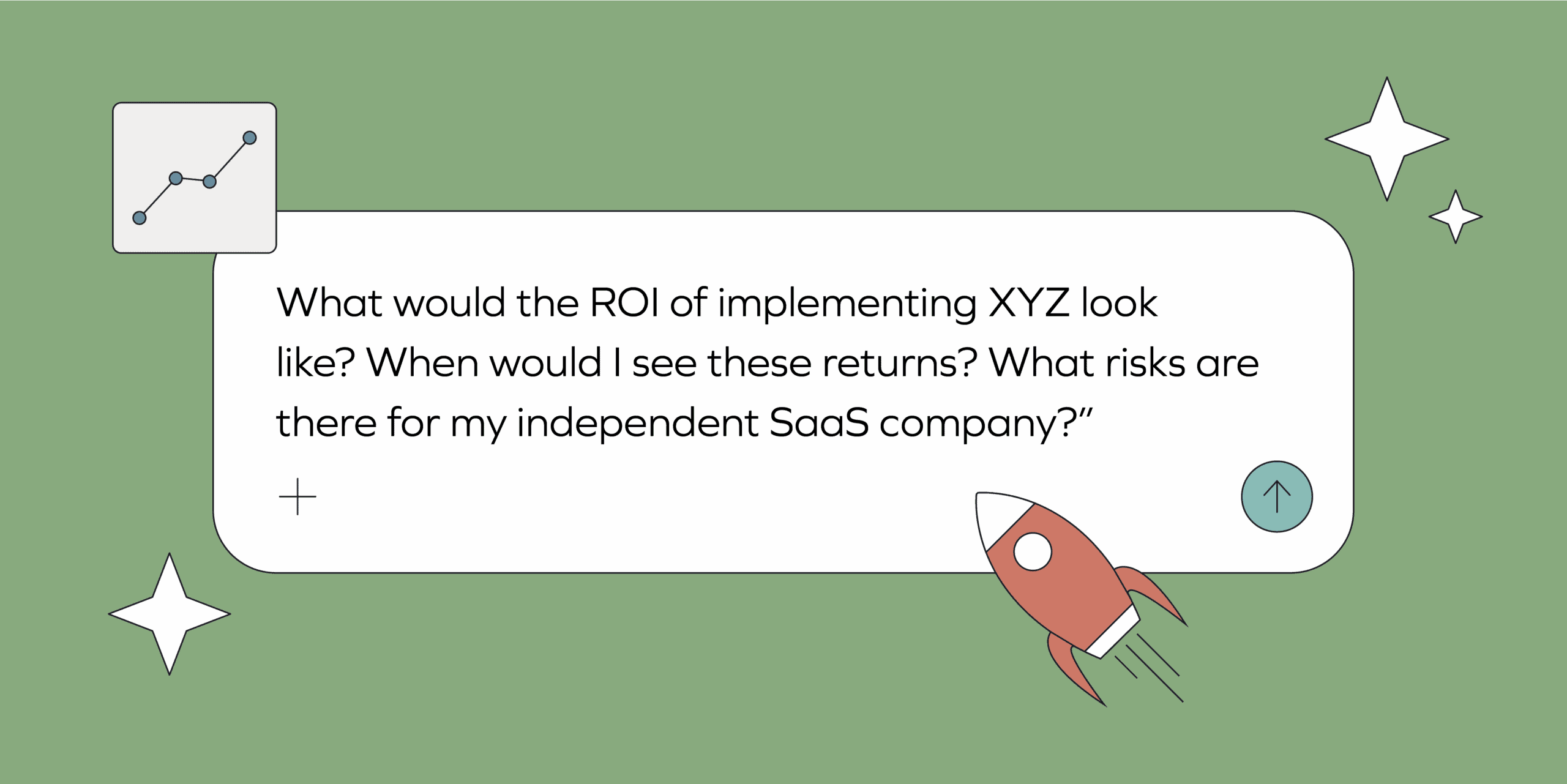
“What would the ROI of implementing XYZ look like? When would I see these returns? What risks are there for my independent SaaS company?”

How to measure your B2B brand’s AI performance

Run your prompts in leading LLMs and record whether your brand is cited, how prominently it appears within the response, and whether the answer links back to one of your owned assets. Be mindful to keep the prompt the same for each LLM. This will help set your benchmarks. Re-run exactly the same test/s at regular intervals. Monitor the results to establish a trend line and assess: is your brand’s presence rising or slipping?

2. Benchmark against competitors and calculate your ‘Share of Model’.

The true value of raw citations is better understood when placed in context. So, with the same query set, keep a tally how often each major competitor is mentioned. From this, you’ll be able to calculate your ‘Share of Model’ (SOM): the percentage of total answers (across all models and prompts) that include your brand name vs. competitors. As this metric mirrors ‘Share of Voice’ (SOV) in paid media, it’s easy to slot your findings into a typical reporting framework. Over time, your SOM will reveal whether content updates, PR wins, or schema tweaks are translating into more AI visibility, or showing that rival brands are pulling ahead.

3. Analyse the sentiment of LLM answers.

Earning citations alone isn’t enough – the tone of your citations matters. For every mention you log, note whether the assistant’s language is positive, neutral, or negative.

Armed with those insights, marketing and product teams can invest their efforts in tackling any issues and creating future collateral that builds on previously successful work.

Conduct a quick diagnostic.

Open an LLM and ask:

“What do you know about [Your Brand]?”

or

“Compare [Your Brand] and [Top Competitor].”

The adjectives and sources included in the response will give you an instant snapshot of current brand sentiment.

4. Monitor site traffic and brand signals.

Generative answers are beginning to drive measurable traffic back to source domains – particularly when the AI assistant supplies a citation link. Watch for sudden lifts in direct visits, increases in branded search volume, or fresh referrers such as chat.openai.com, claude.ai, and bing.com/chat.

Even if the numbers are modest today, their growth rate is an early indicator of how quickly buyer behaviour is tilting towards AI solutions. Where possible, tag those sessions so you can compare conversion rates against standard organic or paid-search traffic.

5. Adopt systematic prompt-based testing.

Finally, embed prompt testing into your optimisation workflow, as often as you might run scheduled keyword ranking checks. Use diagnostic prompts such as:

  • “Who are the top providers of [solution]?”
  • “What are the pros and cons of working with [Brand]?”
  • “List three case studies that show ROI for [type of technology].”

These open-ended questions mirror real buyer research behaviour and reveal exactly what the models have absorbed about your company. Think of each test that’s run effectively as a mini focus-group report. Did the assistant pull in your newest white paper? Did it use an outdated pricing figure? The answers highlight gaps in your public-facing content and signal where schema, press outreach, or on-page updates can have the biggest impact on your future SOM.

Will measuring SOM get any easier?

These methods to monitor and optimise SOM may sound fairly time consuming, but they’re a valuable first step in establishing benchmarks and familiarising yourself with the concept. Once you’ve done this legwork, you’ll have a clearer understanding of what kind of paid-for automatic solution you might want or need going forwards.

Fortunately, as the demand for this measurement grows, you’ll notice that there are many tools and platforms emerging to help automate this process. A few that are on our radar are: ChatBeat, PeecAI, RankScale, Knowatoa.

Imaginative and memorable campaigns will significantly amplify your brand and strengthen its market positioning. And if the bar is set low on platforms like LinkedIn, your creative ads are sure to have stand-out appeal.

In short, investing boldly at the top of the funnel is now a strategic imperative. Brands that prioritise creativity won’t just drive immediate awareness, they create powerful and lasting impacts on GEO visibility, effectively seeding their brand deeply into the AI-driven discovery ecosystem.

FAQs

AI visibility refers to how often and how prominently your brand is cited by generative AI platforms such as ChatGPT, Gemini, Perplexity, Claude, or Bing Chat when users ask questions relevant to your industry. Essentially, it’s about how ‘discoverable’ your brand is in the AI-driven research phase of your prospect’s buyer journey. With a recent Forrester survey revealing that approximately 90% of B2B buyers are now using AI-powered tools to aid their purchasing processes, visibility in these environments is critical to success.

Share of Model (SOM) is a performance metric that will help you benchmark how your brand is doing against its competitors within the AI landscape. It’s the proportion of mentions you earn within AI responses versus the total number of mentions of all brands within your industry. When measuring this manually, it’s important that you run a defined set of prompts – that you can regularly revisit to track progress. It’s also valuable to conduct this research with several AI models as they all work slightly differently.

The basic SOM formula: To get your Share of Model as a percentage, you need to divide your brand’s total citations by the total number of citations for all your competitors and your brand. Then multiply this by 100 to convert it into a percentage. You should do this exercise for ChatGPT, Gemini, Perplexity, Claude, Bing Chat, etc. and then look at the average percentage too.

Treat AI visibility checks like keyword-ranking audits. For most B2B brands, monthly testing is sufficient to spot trends and benchmark progress. If you’re actively implementing GEO strategies or launching new campaigns, for more granular insights, you could make this bi-weekly.

Manual testing is a valuable (free!) starting point. Of course, there are automation tools out there to help you manage this workflow and give you these insights. But by doing the legwork at the beginning, you’ll not only build a greater understanding of your AI visibility first-hand, you’ll also be building a business case to invest in a tool, long-term.

Much like everything else AI-related, the landscape is constantly changing. AI performance tools are launching seemingly every week – so do your research to ensure you’re picking the right tool for your business needs.

As we’ve covered in this article, there’s plenty you can do without a dedicated AI performance tool. We recommend you start with manual prompt testing:

  • Create a set of buyer-intent prompts (early, mid, late funnel).
  • Run them across leading LLMs (ChatGPT, Gemini, Perplexity, Claude, Bing Chat).
  • Record citations, sentiment, and link attribution in a spreadsheet. Yes, this approach is time-intensive but it’s effective for establishing benchmarks. It will also give you insights into how your prospects are likely to be experiencing your brand.

In our minds, not exactly no. It’s simply broadening the scope of brand discoverability through user search. Old habits die hard, people are still ‘Googling’. It’s just unlikely to be their only method of research within the complex B2B buyer journey. What we can say for sure is generative engine optimisation (GEO) needs to be integrated into your business and marketing strategy – ASAP.


Insights

More for you


The ROI of brand building: Why investing in your brand pays off

Andrew
Andrew 1 min • 22 Apr 2025

These days, it can feel like brand building gets a raw deal. Out there in the crowded B2B landscape, performance marketing can often steal the spotlight, upstaging brand-building activities when these are often the real key to long-term growth.

The trouble is, while performance campaigns are great for driving immediate results, it’s brand that underpins lasting commercial growth. Too many people spend untold resources on complex programs desperately trying to find the 5% of people who are in-market at any given moment, and convert them. That’s not a growth strategy, it’s an optimisation strategy.

That’s not to say performance marketing isn’t important – its role within a broad customer acquisition strategy is clear – but it’s your brand that plays into the human psychology behind how B2B buyers make decisions, targeting 100% of your audience to become a familiar and memorable brand. Planting a seed in the potential buyer’s mind that will grow to make your business the go-to choice once they’re ready to purchase. Generally, people think of up to three brands when beginning a strategic B2B purchasing journey, and the data shows that the majority of the time it’s one of these brands that tends to win.

So how do you move towards becoming one of the three? What ensures you are front-of-mind and on that initial shortlist? What exactly are brand-building marketing activities and why are they so important? How should you budget for them – and most crucially – how do you measure their success?

Let’s break it down…

What are brand-building marketing activities?

We’re simply talking about activities primarily focused on creating a strong, memorable presence in the mind of your target audience – one that resonates emotionally as well as rationally. Such activities will not be directly tied to short-term sales. Instead, they’ll be crucial for building brand recognition, familiarity, trust, and loyalty, over time and naturally bring more people through your door over the long-term.

This means blending clear positioning and high-impact creative ideas that grab attention with go-to-market strategies that amplify their reach, sustain engagement, and leave a lasting impression. While digital media remains central to brand-building campaigns, traditional channels such as out-of-home, sponsorships, events, print, and even TV extend visibility and deliver significant impact, remaining highly relevant even in B2B contexts.

  • In short, brand building is about making your brand relevant and unforgettable, and not about driving immediate customer transactions.

Why is an unforgettable brand important?

In any B2B market, building equity into your brand is essential for long-term growth. Brand-building campaigns enhance:

  1. Brand recall: ensuring your brand is one of the first that comes to mind when a need arises.
  2. Trust and credibility: building a perception of familiarity, reliability and quality.
  3. Market leadership: positioning your brand as a leading option within your niche (even if it isn’t!)

Together, these enhancements can move your business from being just another option, to the brand that’s top-of-mind and the default choice. Even in a highly competitive market, the stronger your brand presence, the more likely prospects are, psychologically, to favour your offering first. It’s about affecting the way audiences subconsciously feel about you, as well as what they think about you.

How much should I invest in brand-building?

There’s always a need to balance strategy, creative and media spend. Obviously, budgets differ from business to business. Much will depend on your growth targets, revenues, and general appetite for investing in marketing. Plus, you don’t have to be a marketing genius to know that generally, the more you spend relative to your competition, the greater your brand impact and share of voice in the market (the two critical components that underpin growth).

However, when it comes to brand building, there is a basic formula for finding the right budget balance between creative development and media spend.

The best practice ratio for brand building campaigns:

  • 60-70% media spend: to ensure your message reaches as many people as possible in the most effective formats that bring the best out in your creative.
  • 30-40% creative spend: to ensure that the underlying positioning, creative idea and messages are captivating, influential, and memorable.

And here’s why this ratio works:

  • Brand-building campaigns: since the whole point is to make a lasting impact, investing more in out-and-out creativity (or creative quality) to achieve this is crucial. There’s a lot of noise in the B2B landscape, so your positioning needs to be spot on and the creative needs to be unignorable
  • Maximising the effectiveness of media spend: To optimise the effectiveness of your media spend, creative investment is essential. An integrated media strategy is pointless if the messaging and creative isn’t up to scratch—no matter how advanced your targeting, it won’t deliver meaningful results.
  • Longevity and reusability: If your creative assets have a long shelf life, investing more in brand content upfront means you can continue to benefit from them over the long-term, enhancing the value and return that you receive for the original investment in creativity.
  • There’s oodles of research on this subject, but it all points to adopting a balanced approach to maximise both reach and creative effectiveness when allocating budgets. One prime example comes from a BCG and Google report, this revealed that over time, mature brand-driven strategies yield significantly higher return on marketing investment (ROMI), compared to purely performance-driven efforts. As does every other study conducted on this subject.

In contrast, short-term performance marketing campaigns usually lean towards 80% – 90% media spend, as the goal is less about creative impact and more about identifying businesses that are already in-market, and converting them efficiently. However, this is an optimisation strategy, not a growth strategy – one of the biggest misconceptions in B2B marketing. Importantly, demand generation and performance marketing activity will always be most effective when there is existing, strong brand familiarity and credibility to build upon.

What does positive ROMI look like when investing in brand?

Measuring the return on marketing investment from brand-building activities is notoriously challenging. That’s because the effects are felt over the long-term and less instantly than lower-funnel tactics. Unlike performance marketing, where conversions and revenue are directly trackable, brand-building impacts are often perceptual, gradual, and compounding. And while brand campaigns undoubtedly enhance the effectiveness of performance tactics, this impact is often mistakenly credited to lower-funnel communication optimisations.

However, below are some of the methods and metrics you should employ to measure success, and gauge whether you’re making an impression or not.

  • Brand awareness:
    • Branded search volume: see how many people are searching for your brand. You can do this with traditional tools that analyse Google searches, but there are also emerging tools like Chatbeat that measure how effectively you appear for AI searches.
    • Share of voice: monitor your brand’s presence relative to competitors, which is a very clear indicator of increasing market share when SOV is higher that SOM.
    • Social listening: monitor your social media channels for mentions of your brand, or when someone offers feedback.
  • Brand engagement:
    • Website traffic and engagement: monitor changes in organic and direct visit trend data and how long visitors are spending on your site
    • Content interactions: track how audiences engage with brand-focused content on social media and your website.
  • Brand demand:
    • Attributable leads: look for growth in leads, particularly in acquisition trends that surpass previous benchmarks, as these are strong indicators of success. This could result directly from the campaign or reflect a general uptick in new leads attributable to brand-building efforts.
    • Influenced pipeline: benchmark your historical pipeline volume so you can identify a fuller sales funnel compared to before brand-building activities began, clearly linking it to heightened brand awareness.
    • Attributed revenue: Similarly, benchmark historical revenue data to identify any upward trends that can be attributed to the initiation of brand activities.

While it’s possible to directly link some leads and sales conversions to brand-building campaigns using traditional analytics, the real power of brand-driven growth shines when you visualise the results. Try plotting commercial trend data on graphs and overlaying the initiation of brand activity—you’ll be amazed at what you see!

What is a reasonable expected return?

In the world of B2B, the decision-making process can be longer and more complex than in B2C. So your brand-building campaign should aim for a positive, long-term ROMI with a model that combines brand awareness, brand engagement, and brand demand metrics. Trend data is core to this and best way to prove ROI. The reality is, building brand relationships and nurturing prospects takes time.

The good news, however, is that commitment to a long-term investment in brand building has a compounding effect. In other words, by establishing a strong and consistent brand presence, you increase the efficiency and effectiveness of any future media spend, ultimately leading to higher levels of in-market impact. In short, as brand equity rises, the cost of acquiring new customers reduces, and existing customers become more loyal, further improving ROMI over time.

What is the compounding effect of brand investment?

Building brands is like planting seeds: you’ll see nothing overnight, but careful watering and nurturing will result in strong, sustained growth. Likewise, the more you invest in creating awareness and positive associations now, the stronger and more enduring your brand will become. Over time, this will bloom into:

  • Increased conversion rates: customers are more likely to choose familiar, trusted brands.
  • Lower cost per acquisition (CPA): the marketing spend needed to win business will be smaller.
  • Greater media efficiency: campaigns now perform better because audiences are already aware and positively predisposed.
  • Easier sales conversations: by creating familiarity and trust in the brand, you make it easier for sales teams to convert more prospects into customers and shorten sales cycles.

Investing in brand building has been proven to significantly enhance ROMI over time – and there are many notable studies supporting this. Here’s some further reading that could help:​

Boston Consulting Group (BCG) and Google’s Joint Survey: this found that companies with advanced brand marketing capabilities experienced a ROMI increase of approximately 46% compared to less mature counterparts. ​BCG Global

Kantar and WARC’s Research on Creative Quality: a report that showed high-quality, creative ads can generate over four times more profit than less creative ads, underscoring the financial benefits of investing in strong brand-building initiatives. ​Kantar

The Multiplier Effect Report: according to this, integrating brand and performance marketing can boost ROI by 25% to 100%, with an average increase of 90%. The report recommends allocating 40-60% of marketing budgets to brand marketing to achieve this balance. ​The Australian

Collectively, these studies (which are just a small selection) deliver a powerful demonstration of the way a strategic investment in brand building could not only enhance you market presence, but also lead to measurable financial benefits.

Building a brand that endures

If you’re serious about brand-driven growth (like we are), then as important as immediate results are, don’t forget about laying the foundation for sustained long-term growth.

By investing wisely in positioning, creative and media, and measuring success through a combination of short-term engagement and long-term brand equity, there’s every chance that your brand will be front-of-mind when those strategic B2B purchasing journeys begin.

Your goal isn’t simply to be seen – it’s to be remembered. In a world saturated with competing messages, making your brand unforgettable is the ultimate path to long-term success.


Insights

More for you


Why your brand is your best salesperson

Andrew
Andrew 1 min • 3 Apr 2025

Too many go-to-market strategies chase speed, prioritising quick wins over lasting value. The result? New products and services launch without true differentiation, misaligned with the market and unprepared for future growth. Their brands are quickly forgotten by buyers who weren’t ready to buy today but might have been tomorrow.

The truth is, 95% of our potential audience isn’t in-market to buy right now. Yet budgets are skewed toward short-term conversions, ignoring the compound power of brand over time and positive exposure. Without familiarity, backed by trust and strong brand equity, it’s much tougher to make it onto the buyer’s shortlist when the time comes.

So how do you change this? We believe the answer lies in brand-driven growth. Fusing the science of go-to-market strategy with the art of brand building and creativity, to fuel demand activation. It’s about having a clearly defined go-to-market strategy, then creating momentum from launch, propelling your brand to a position of sustainable growth and market leadership.

Immediate recognition is key in today’s crowded B2B marketplace. An authentic, consistent and professional brand presentation across all platforms can increase your company revenue. Unless you’re in a very niche market, buyers will typically recall perhaps three dominant brands they want to consider. Trust and credibility are essential for growth. Buyers need to trust and understand a brand before making a purchase. Every interaction a customer has with your brand, from your website to your packaging to your aftercare, should reflect your core business values. This consistency builds a solid reputation companies can depend on.

There’s a lot of talk about making emotional connections – buyers are people, after all. Yet the truth is in the B2B world, emotions don’t really play a part in the decision making. People, relationships, trust and credibility are key factors in that process. Companies with strong and well-defined brands have higher customer lifetime value, as loyal customers generate ongoing revenue and referrals. In fact, according to McKinsey, strong brands outperform weak brands by 20% in terms of total shareholder return – a KPI worth remembering. A strong brand identity also impacts your sales cycles, leading to quicker purchase decisions and reducing the need for extensive research, streamlining the buyer’s journey from awareness to consideration and eventually selection.

Consistency in brand messaging ensures you reap the full benefits of your marketing and sales efforts. In addition, a strong brand identity provides flexibility for growth. When your organisation buys into a strong brand internally, you can more easily navigate change and seize new opportunities. New products or initiatives aligned with your overall brand help customers view changes as natural steps in your company’s journey.

While performance marketing focuses on immediate conversions, branding expands your market size and creates larger market share. By concentrating solely on the bottom of the funnel, you limit yourself to a small pool of potential customers. The power of branding opens up the market and creates more extensive opportunities.

Defining your go-to-market strategies around brand driven growth is ultimately how you’ll set yourself apart and win in the competitive world of B2B. It’s what we do at Torpedo, because we know your brand isn’t just your logo – it’s your best salesperson.


Insights

More for you


How building brand belief can bring long-term B2B success

Andrew
Andrew 1 min • 13 Mar 2024

A long-term approach to building a genuine, emotional connection between your brand and your customers will deliver more effective marketing, helping you to reach, win and retain more business.

The ever-increasing pressure to deliver immediate leads and quick results has led many B2B marketers to forget about the importance of building a strong brand, one that has the power to positively influence and amplify future success. With soaring costs of digital advertising in 2024 and shrinking marketing budgets, investing in a strong brand is a must, especially if you consider that 95% of your prospects might not be currently in-market for your solution.

Brand is about far more than awareness. Creating trust and belief in your brand shifts your entire proposition from ‘awareness’ to ‘availability’, a point made by Peter Weinberg, Head of Development at The B2B Institute at LinkedIn. In a conversation with Colin Fleming, Senior VP of Global Brands, Events and Customer Marketing at Salesforce he talks about the importance of customers moving away from recognising a brand to considering it for purchase. That’s a shift – in both thinking and action – that many B2B marketers need to make, thinking long term about brand influence rather than just focusing on short-term acquisition.

Making a long-term brand commitment

Long-term thinking and strategy can be a challenge in B2B marketing. You are tasked with generating fast results from marketing strategies, but you need to be able to focus some of your effort and spending on developing brand belief.

As Les Binet and Peter Field say in their book, The Long and the Short of it: “A succession of short-term response-focused campaigns (including promotionally driven ones) will not succeed as strongly over the longer term as a single brand-building campaign designed to achieve year-on-year improvement by business success.”

Successful strategies blend long-term brand building with shorter-term acquisition campaigns.

An interesting report has recently emerged from HockeyStack, a GTM analytics platform for B2B companies, which revealed that it takes on average 700 LinkedIn impressions and 54 touchpoints for a prospect to identify themselves on your website.

The 700 impressions are not coming from one person but rather several people within a company, but these numbers stress the importance of having a well-established brand strategy.

So how do you create a B2B brand that is memorable enough for prospects to easily come back to once they are ready to buy?

“ Many B2B marketers default purely to a rational checklist of practical features, rather than showing how they can address a buyer’s pain point or solve a problem. ”


“ An intelligent mix of creativity and data will activate your brand in a way that resonates with your audiences. ”


Humanising B2B experiences

We shouldn’t underestimate the importance that brand experience plays within the psyche of someone who is working through a drawn-out procurement process. It’s about creative and eye-catching storytelling, matched with professional presentation, proof of performance and deliverability, communication and a personal service.

Those principles work no matter what type of business you are – a traditional business or a very progressive and disruptive one. The trick is to humanise your proposition and use creativity to build and communicate the relevant brand story to the right customers.

Just as emotion is an important factor in the buying journey, so is the customer experience. The way your brand presents itself, communicates and backs up its messages is all part of the experience. You need to have a story to tell – a story that makes people sit up and take notice.

An intelligent mix of creativity and data will activate your brand in a way that resonates with your audiences. Creating distinctive campaigns and digital experiences sends the message: “This business can really solve the problem I have” – and makes both the emotional connection and the rational connection, helping your customer make the case for buying from you.

Ultimately, short-term campaigns are far more effective when they form part of a longer-term brand building strategy. We get better results from day-to-day marketing through this application of bigger thinking, and it’s our role as marketers to challenge businesses to think more broadly than just delivering content through a few channels.

In a nutshell, focusing on building brand belief, using creative methods to be seen and get your story across, and ensuring your brand experience is consistent at every touchpoint will result in more effective marketing, thereby increasing your reach and improving your ability to win business.


Insights

More for you