How building brand belief can bring long-term B2B success

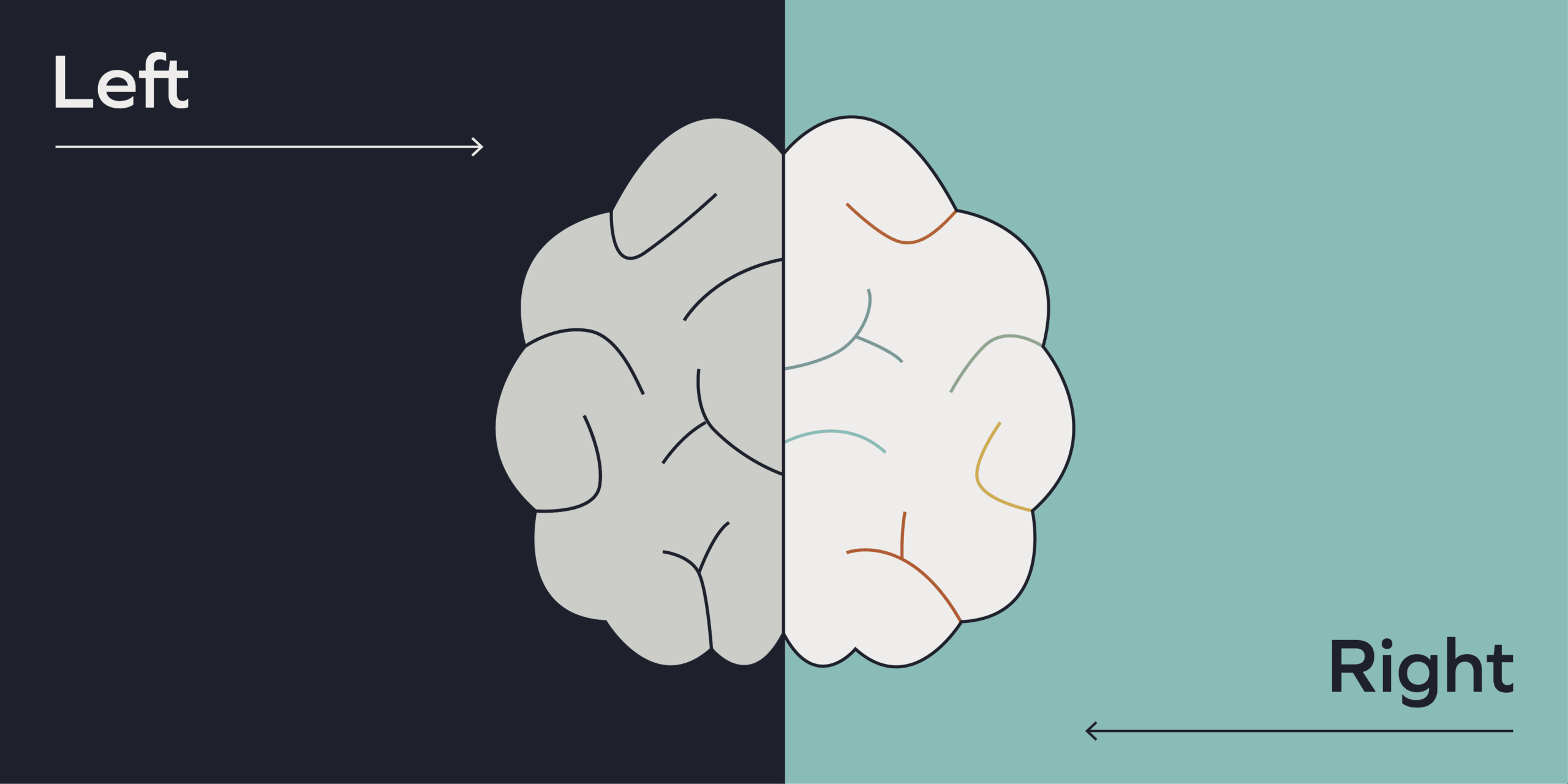
A long-term approach to building a genuine, emotional connection between your brand and your customers will deliver more effective marketing, helping you to reach, win and retain more business.
The ever-increasing pressure to deliver immediate leads and quick results has led many B2B marketers to forget about the importance of building a strong brand, one that has the power to positively influence and amplify future success. With soaring costs of digital advertising in 2024 and shrinking marketing budgets, investing in a strong brand is a must, especially if you consider that 95% of your prospects might not be currently in-market for your solution.
Brand is about far more than awareness. Creating trust and belief in your brand shifts your entire proposition from ‘awareness’ to ‘availability’, a point made by Peter Weinberg, Head of Development at The B2B Institute at LinkedIn. In a conversation with Colin Fleming, Senior VP of Global Brands, Events and Customer Marketing at Salesforce he talks about the importance of customers moving away from recognising a brand to considering it for purchase. That’s a shift – in both thinking and action – that many B2B marketers need to make, thinking long term about brand influence rather than just focusing on short-term acquisition.
Making a long-term brand commitment
Long-term thinking and strategy can be a challenge in B2B marketing. You are tasked with generating fast results from marketing strategies, but you need to be able to focus some of your effort and spending on developing brand belief.
As Les Binet and Peter Field say in their book, The Long and the Short of it: “A succession of short-term response-focused campaigns (including promotionally driven ones) will not succeed as strongly over the longer term as a single brand-building campaign designed to achieve year-on-year improvement by business success.”
Successful strategies blend long-term brand building with shorter-term acquisition campaigns.
An interesting report has recently emerged from HockeyStack, a GTM analytics platform for B2B companies, which revealed that it takes on average 700 LinkedIn impressions and 54 touchpoints for a prospect to identify themselves on your website.
The 700 impressions are not coming from one person but rather several people within a company, but these numbers stress the importance of having a well-established brand strategy.
So how do you create a B2B brand that is memorable enough for prospects to easily come back to once they are ready to buy?
“ Many B2B marketers default purely to a rational checklist of practical features, rather than showing how they can address a buyer’s pain point or solve a problem. ”
“ An intelligent mix of creativity and data will activate your brand in a way that resonates with your audiences. ”
Humanising B2B experiences
We shouldn’t underestimate the importance that brand experience plays within the psyche of someone who is working through a drawn-out procurement process. It’s about creative and eye-catching storytelling, matched with professional presentation, proof of performance and deliverability, communication and a personal service.
Those principles work no matter what type of business you are – a traditional business or a very progressive and disruptive one. The trick is to humanise your proposition and use creativity to build and communicate the relevant brand story to the right customers.
Just as emotion is an important factor in the buying journey, so is the customer experience. The way your brand presents itself, communicates and backs up its messages is all part of the experience. You need to have a story to tell – a story that makes people sit up and take notice.
An intelligent mix of creativity and data will activate your brand in a way that resonates with your audiences. Creating distinctive campaigns and digital experiences sends the message: “This business can really solve the problem I have” – and makes both the emotional connection and the rational connection, helping your customer make the case for buying from you.
Ultimately, short-term campaigns are far more effective when they form part of a longer-term brand building strategy. We get better results from day-to-day marketing through this application of bigger thinking, and it’s our role as marketers to challenge businesses to think more broadly than just delivering content through a few channels.
In a nutshell, focusing on building brand belief, using creative methods to be seen and get your story across, and ensuring your brand experience is consistent at every touchpoint will result in more effective marketing, thereby increasing your reach and improving your ability to win business.
Insights
More for you
Let's talk.
Want to create something extraordinary? Let’s have a chat. Set up a call with our CEO, Andrew.
Stay informed.
Get our latest thinking on how to maximise brand, GTM, pipeline growth and apply AI, plus our agency updates.