After you launch: The true value of iterating and optimising your content

Andrew
Andrew 1 min 26 Nov 2025

It’s easy to breathe a sigh of relief when a new go-to-market (GTM) strategy finally makes its way out of the meeting room and into the world, and while it can feel like you’ve crossed the finish line, in truth, it’s only the starting point. All the pre‑launch work that has taken place to understand your audience and analyse competitors gives you a strong foundation, but now that your new website, content hub, or campaign is in the hands of a genuine audience, it’s time to really see how those plans hold up.

The performance data that comes in will reveal whether your assumptions hold up in practice. Are people engaging? Is it being shared in the right places? Are the formats working? Post‑launch optimisation is where you can dive deeper into the metrics, uncover answers, and refine your approach. Find out how to keep on top of it after you’ve hit the publish button.

Why post‑launch optimisation matters.

As your content spreads its wings, algorithms evolve and audiences shift, which means any assumptions made during planning may need to change their course – not just once, but habitually. This is where data becomes invaluable, often speaking louder than the words themselves; it will show where your content is landing well and where it needs refining.

In 2025, that shift has been (and continues to be) accelerated by generative engine optimisation (GEO). With AI results now shaping how buyers research and shop, the GEO market has surged into a multi-billion-dollar industry, projected to grow at a 34% annual rate.

The numbers surrounding GEO are clear: content optimised for AI delivers up to 40% higher visibility and better conversions compared to traditional SEO, and with 58% of searches now ending in zero clicks thanks to Generative AI tools, optimisation after launch isn’t optional; it’s essential for keeping your content visible, relevant, and revenue-generating long after the initial go-live.

The performance metrics that matter.

Click‑through rate (CTR) has long been a favourite metric, but it’s not always the best indicator of success. With search engines and generative AI platforms delivering your content directly in their results, fewer users may land on your site. Yet, those who do are often better informed and closer to conversion.

Think of it as a filter; casual browsers may get what they are looking for from surface-level, AI‑driven summaries, while more committed customers are more likely to dig that bit deeper. By the time they land on your page, they have likely already engaged with your brand elsewhere, which means they’re already invested and more likely to convert.

This shift flips the age-old obsession with volume on its head. Think quality over quantity, just like organic strawberries from the expensive farm shop around the corner; there may be fewer per punnet compared to the supermarket, but the taste and nutrition when they’ve been grown with care is incomparable.

Instead of chasing vanity numbers, focus on these instead:

  • Whether your content is being shown in AI‑generated answers.
  • The role your content plays in pipeline growth
  • And for those that do land on your website: how long people spend engaging with your content, and how far they scroll
  • Content‑to‑lead conversion rates (benchmark: 2–4% for B2B, Airops)

Bounce rate and CTR show you the most insightful data when analysed together; a high bounce rate suggests your content isn’t meeting expectations, while a low one means fewer clicks could still translate into high‑quality leads.

Using AI to gain insights – faster.

AI is transforming the way marketers in all sectors work, and according to the Content Marketing Institute, 72% of B2B marketers utilise generative AI tools when it comes to time-consuming tasks such as trend-spotting, streamlining reports, or summarising research.

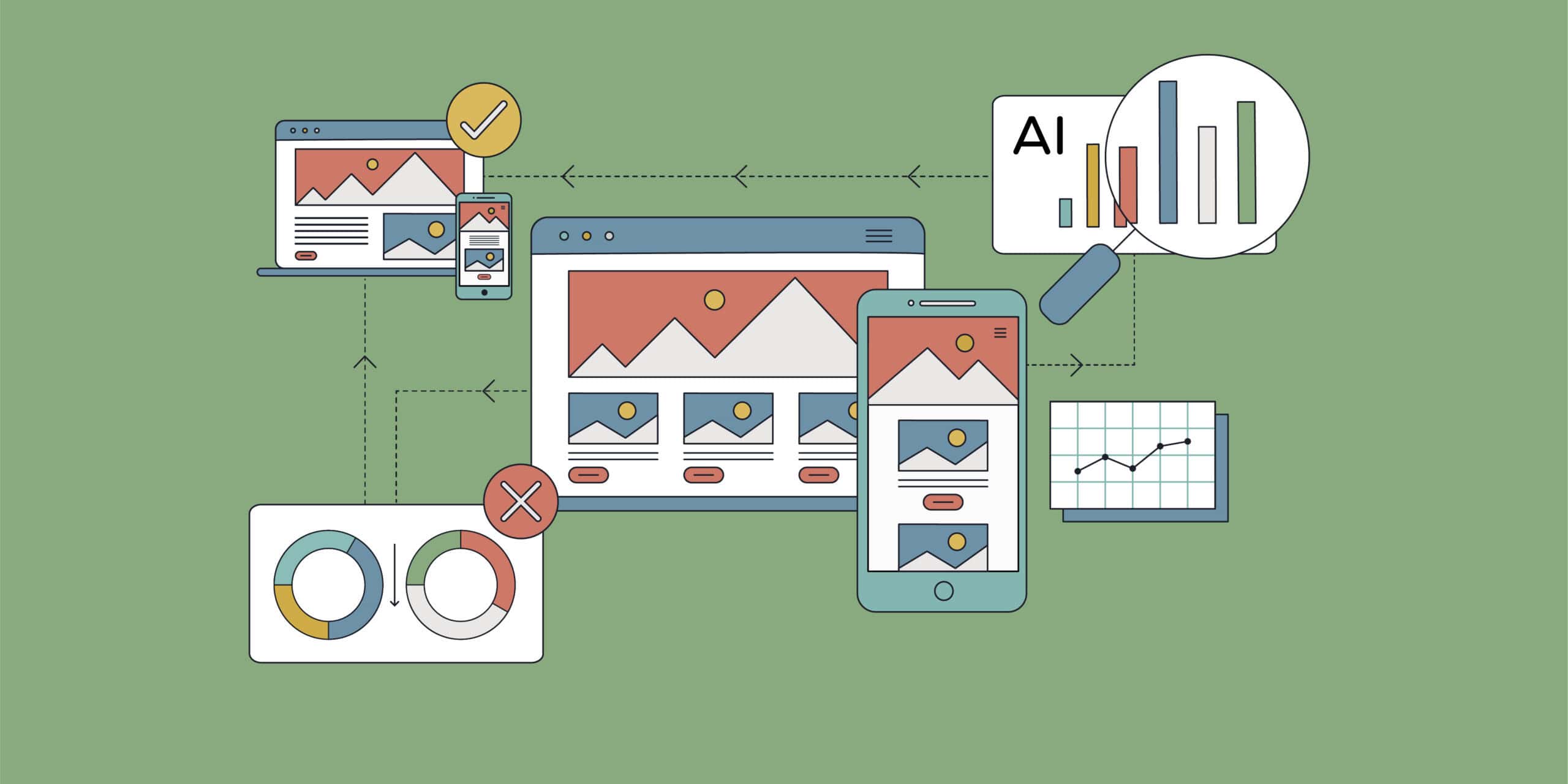
AI can also take the pressure off teams by analysing performance data at scale and spotting patterns faster than most busy marketing departments can. This makes it easier to spot which content drives engagement, where audiences tend to drop off, and any topics that consistently hold attention. By bringing these insights to light quickly, teams can make smarter decisions about what to spotlight, repurpose, or retire.

Turning data into content.

Optimisation isn’t just about polishing what already exists on your website, but also about using data to shape the future of your content plans. When an asset performs well, an opportunity arises to extend its reach by reimagining it in new formats; think video, infographic, or even a podcast. At the same time, analytics will highlight areas of the customer journey that are underperforming, providing direction on where fresh content could be effective.

Insights can also guide you to adapt messaging for specific industries or regions, ensuring that what you produce feels relevant and targeted. DemandSage found that 60% of B2B buyersmake their final purchase decisions based on digital content, which means that every round of optimisation becomes a new opportunity to influence how people move through the funnel and experience your brand.

How to build lasting momentum.

Optimisation is a process that’s in a constant state of refinement – a little tweak here, a small wiggle there. It should be seen as a project in motion rather than a one-and-done job. Campaigns that are revisited regularly – we recommend every quarter – stay aligned with changing audience needs and expectations, while those left untouched risk losing relevance.

It can be tempting to focus on vanity metrics, especially since those numbers often appear impressive in reports, but they rarely tell the whole story. What matters more is building a clear picture of how your content is performing. This requires documenting processes so insights aren’t lost, and improvements can be carried forward.

The rise of AI means that its governance is becoming increasingly important. With the Content Marketing Institute reporting that 61% of organisations lack clear guidelines for how AI should be used, there is a real opportunity to establish frameworks that ensure AI supports creativity and decision-making responsibly.

Launching your GTM plan is just the beginning.

The real value lies in what you learn on the road afterwards. By iterating based on performance data, focusing on meaningful metrics, and combining AI insights with human creativity, you can ensure that your content continues to deliver impact long after going live.

How we delivered measurable SEO impact for our travel client.

When our travel client set out to boost the visibility and engagement of their B2B content, our team knew that a data-driven, collaborative approach would be key. Building on insights from a previous competitor research project, we began by conducting comprehensive keyword research and SEO performance analysis to identify 50 high-potential articles for optimisation.

Working seamlessly with our client and internal teams, we established a precise measurement framework, reflected in a custom Looker dashboard, to track progress and ensure transparency. The optimisation process focused on enhancing meta data, headlines, and calls to action – always balancing SEO best practices with customer-centricity. We were conscious to avoid keyword stuffing. Instead, we prioritised readability and engagement, and recommended visual aids (such as infographics and videos) to make content more digestible.

The results spoke for themselves: organic impressions surged by 161% year-on-year, clicks increased by 178%, and ranking keywords rose by 91%. Five optimised articles ranked among the top 10 performers, and the project came in under budget, securing a follow-up engagement. Our work positioned us as trusted SEO consultants, opening doors to further projects and workshops.

By combining rigorous analysis, close client collaboration, and a relentless focus on measurable outcomes, we helped our client achieve standout results in a fast-evolving digital landscape.

FAQs

Content iteration is the process of refining and improving your content over time, rather than treating it as finished once it’s published. This means using performance data, audience feedback, and evolving trends to make small adjustments in line with statistics, customer behaviour, and sales team insights.

This depends on the type of content and the platform it’s on. Campaign‑driven assets may peak within weeks, while evergreen articles can deliver value for years. The key is to track performance and refresh regularly.

Yes! Evergreen doesn’t mean that once it’s set live, it can be forgotten about. Search algorithms and audience needs evolve constantly, so revisiting evergreen pieces ensures they stay visible and accurate.

At least quarterly for high‑impact assets, and annually for evergreen content. But don’t wait for a calendar reminder, let the data guide you. If engagement drops or search visibility changes, it’s time to review the statistics and refine.


Insights

More for you


Crafting the perfect B2B go-to-market value proposition

Becky
Becky 1 min 18 Sep 2025

In today’s competitive technology and industrial landscape, standing out from the crowd when you go to market requires more than just a great product. You may have the most innovative solution available, but if you can’t clearly articulate why it matters to your customers, you’ll struggle to gain traction. This is where a strong value proposition comes into play.

For complex B2B products, the challenge is even greater. Multiple decision-makers, long sales cycles and technical considerations mean that a generic pitch won’t cut it. You need a clear, compelling value proposition that resonates with your audience and highlights the tangible business outcomes you deliver.

As a leading B2B go-to-market agency, we know a thing or two about crafting a compelling value proposition. And if you’re interested in what we do and how we do it, read on.

Why do I need a value proposition anyway?

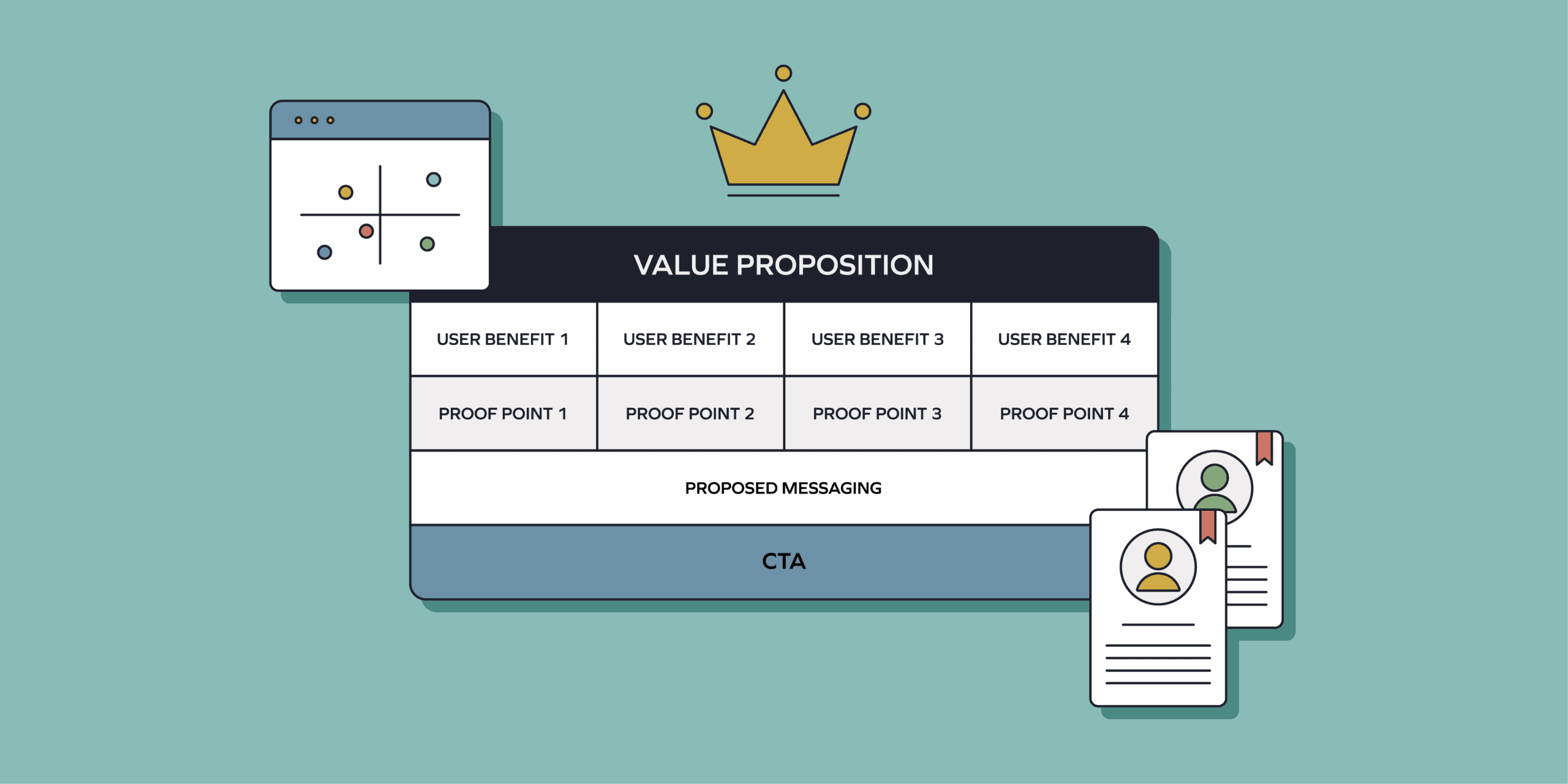
A value proposition is the most succinct way of explaining the value a brand can offer its customers. Ideally, it should address an audience insight, and balance user needs with the brand’s key differentiator. It’s all about finding the sweet spot between the brand’s business strategy and the audience’s pain points.

In B2B in particular, it’s not always simple to distil down to the true value of a product or a service. Being able to condense internal strategy decks and every stakeholder’s input into a value proposition isn’t a job for the faint-hearted. It requires a deep understanding of a brand’s vision and mission, its market, competitors, and ICP (Ideal Customer Profile).

With all these insights gathered, the next challenge is how to structure the information. In terms of hierarchy in a messaging framework, the value proposition is right at the top. The first consideration. It should feed into all the messaging that follows, and everything else in the messaging framework should justify and support the value proposition.

A strong value proposition is clearly aligned to the brand’s proof points and there should always be a logical flow. You should always be able to trace the train of thought. With that in mind, every value proposition we create for clients includes a rationale to explain our thinking and why it works for the brand and its customers.

Why complex B2B products need a different approach.

When selling in consumer markets, value propositions often focus on emotional appeal or immediate gratification. In B2B, the picture is more complex.

Here’s why:

  • Multiple stakeholders – Users, managers, procurement, operations managers and C-suite executives may all be involved in the decision-making process.
  • Technical complexity – Your solution might be innovative, but if it’s difficult to explain, you risk losing your audience.
  • Long-term investments – Customers want to see reliability, scalability, and a return on their investment, not just a flashy feature.

That’s why your value proposition must strike a balance. It needs to be technically credible, but still focused on the business outcomes that matter to decision-makers.

The rational side of a B2B value proposition is important. But don’t forget that B2B buyers are still human – you also need to affect how people ‘feel’ about your proposition and brand. This is where the nuanced skill of using language to combine technical credibility and commercial relevance with language that’s approachable, ownable, and memorable comes into play.

Ultimately, you want the value proposition to impact both sides of the human brain – the rational and the emotional – so that audiences understand how you can solve their challenges and believe that you are a credible brand. This is what drives brand recall, and determines whether or not you’re included in their day-one list of potential suppliers once they’re ready to buy.

The best approach to developing a compelling value proposition.

  1. Understand your audience.

The first step is to know your customer inside out. Go beyond demographics and dig into their priorities, pressures, and pain points.

  • What operational challenges do they face?
  • What KPIs are they measured on?
  • How do they define success?

The more you can map your solution to these drivers, the stronger your value proposition will be.

  1. Identify your unique strengths.

What makes your solution different? In the industries we specialise in, we often find that the points of differentiation, although sometimes nuanced, include:

  • Resiliency
  • Future-proofing
  • Cost savings
  • Efficiencies (often the result of automation and advances in AI, etc.).

Be specific. Statements like “we improve efficiency” lack impact without context. Make sure that the value proposition has substance, and truly reflects what the business offers and what the audience needs. If you don’t know your business strategy or audience needs in detail, then you shouldn’t be looking at developing value propositions at this stage.

  1. Translate features into benefits.

Customers don’t buy features – they buy the outcomes those features deliver. Technical specifications matter, but they don’t sell by themselves.

For example:

  • A faster production line isn’t just about speed – it means shorter lead times and increased revenue potential.
  • An automated quality control system isn’t just about technology – it means reduced waste, compliance assurance, and cost savings.

Always ask: “So what?” after each feature until you get to a tangible business impact. Ideally, you would also group them, and work out which features support the same overarching benefits. The way that we categorise features and services is specifically tailored to every client we work with. In B2B, decisions are influenced by trust, confidence and reduced risk. We believe in building strong brands that establish brand affinity (emotional response) and brand equity (credibility).

  1. Make the value proposition clear and concise.

In complex industries, it’s tempting to pack a value proposition with technical jargon. Resist that temptation. Instead, always use a simple, conversational tone. A value proposition should be easy to grasp in seconds. Aim for one sentence, with a supporting sub line. Taking the time and effort to distil a value proposition to its essence makes it much more memorable and likely to be repeated by any member of the client’s team.

Crafting the perfect B2B go-to-market value proposition

How we crafted an impactful go-to-market value proposition for Workshop XR.

When we helped Autodesk go to market with a next-generation VR workspace tool, developing the right value proposition was vital to the project’s success. After conducting a comprehensive competitor analysis, looking for insights and opportunities that Workshop XR could leverage, we invested time in really getting to know the key influencers who would benefit from the product – architects, engineers, BIM/VDC managers, and directors of tech. Delving into their current workflows through one-to-one user interviews, we built a strong understanding of what was working and what wasn’t. Particularly when it came to how they collaborated with their team.

Using our findings from the in-depth market research and stakeholder interviews, we identified the key user benefits and Workshop XR’s points of differentiation, such as alignment, fluidity, and accessibility. As we started to agree on our product and user benefits, we built out a messaging matrix, detailed value propositions, and narratives to essentially refine Workshop XR’s ‘elevator pitch’. There was plenty to say, so the key challenge was making it as concise and compelling as possible – based on what we knew the audiences cared most about.

With a ground-breaking product to showcase, the value proposition had to pack a punch. After exploring all kinds of angles, and running longlists and shortlists by the Autodesk team, we agreed on, “Change your perspective. Elevate your understanding.” This value proposition distilled the product offering down to why it’s revolutionary (the first-person, human-scale experience) and the value it brings to design reviews (the ability to catch issues, sooner).

Read the full story of how this value proposition helped drive the go-to-market strategy for Workshop XR.

What questions should you ask about value propositions?

When you start to have discussions about developing value propositions for go-to-market projects, there are some of the burning questions you’ll want answered:

  1. How long should a value proposition be?
    Ideally, no more than a couple of sentences. Preferably just one. It should be short enough to remember, but impactful and intriguing enough to spark interest.
  2. Can we have more than one value proposition?
    Yes – but keep a consistent overarching message. You may need tailored propositions for different target audiences, sectors, stakeholders or products.
  3. How do we make it credible?
    Back up your claims with data, case studies, or independent validation. Specific figures or success stories are way more persuasive than vague statements or promises.
  4. What if our competitors say the same thing?
    You need to dig deeper into your brand’s unique strengths. Look for differentiators in your approach, service model, integrations, or customer support.
  5. How often should we review our value proposition?
    At least once a year, or whenever market conditions, customer needs or your own offering changes significantly.

More for you

Discover more of the latest thinking from Torpedo.


From idea to launch: a step-by-step GTM blueprint for B2B brands

Andrew
Andrew 1 min 30 Jul 2025

No matter how earth-shattering your idea, product or service is, turning it into something that’s commercially viable is no mean feat. Especially in the B2B world. Here, long sales cycles, complex buying committees, and an increasingly competitive landscape can stall momentum before you’ve even begun. A clearly defined go-to-market (GTM) strategy isn’t just helpful – it’s essential.

Whether you’re launching a SaaS platform, tech solution, or specialist service, having a structured GTM plan ensures your positioning, messaging, and channels are aligned for maximum impact. It’s how you transform all that smart thinking into sustainable business growth.

So, we’ve put together a step-by-step blueprint – one that should guide you through the key milestones on the journey to getting your solution off the ground, and into the hands of the right buyers – efficiently, effectively, and with confidence.

1. Get to know your market and customer

Begin by gaining clarity on who your customers are. Look into their motivations, and where they live – both geographically and in terms of the buyer journey. This important groundwork ensures your messaging and targeting have real relevance in your market.

  • Ideal customer profile (ICP): define your customer by industry, company size, buyer persona (e.g., procurement, IT, finance), etc.
  • Market trends and competitors: look at what your peers are doing and identify any gaps that exist in your region.
  • Pain points and buying signals: work out what challenges your ICP are trying to overcome and where these decision-makers look for solutions – is it LinkedIn groups, trade events, specialist forums?

2. Craft your positioning – thoughtfully

Now it’s time to craft your brand narrative in a way that ensures you stand out from the sea of B2B sameness. You need to be able to distil your offering down to a compelling value proposition that captures what your brand is about and how it adds value to your customer’s business.

  • Core brand truth: establish what problem you’re solving and who will care.
  • Content strategy: determine the best way to tell your story. How does this need to be segmented? What creative assets will bring this narrative to life?
  • Messaging framework: create clear, short-form statements and proof points to define user benefits and guide content creation.

3. Bridge the gap between marketing and sales

Aligning everyone in the business – especially the marketing and sales teams – will be critical to success. Consistency between your teams will build trust and minimise the risk of potential friction – both with internal politics and within the customer’s journey.

  • Speak regularly: set catchups every week, if possible.
  • Agree on the MQL to SQL journey: define what qualifies as a good lead for both sides.
  • Share assets: make sure your marketing content supports sales conversations and vice versa.

4. Think about how you can maximise reach

Create a channel strategy that carefully considers formats and platforms. Where are you likely to build the best connections with your target market? What sort of content lends itself to be shared – boosting your organic reach?

  • Content formats: focus on formats that demonstrate expertise, provide practical insights, and encourage interaction.
  • Channel selection: prioritise channels where your audience will naturally ‘hang out’. Think about where they might go when searching for trusted information.
  • Publishing cadence: maintain a regular flow of valuable content that aligns with relevant industry developments and buyer interests.

5. Tailor content to your audiences

Create content that feels relevant to your local audiences. Find the sweet spot between what will resonate best with your audience and what meets your business goals e.g., explain how your SaaS solution will address their common business challenge.

  • Approachable tone: be clear and direct, but always human.
  • Style choices: if you’re targeting the US, adopt US terminology, idioms, spellings, and punctuation.
  • Topic relevance: if you’re speaking to a British audience, think about what regional topics will resonate best. For instance, UK legislation or market trends.

6. Build a compelling campaign

Assemble the core assets that will support an effective and engaging launch. Consistent application of your brand guidelines will be essential to maintain alignment, coherence, and professionalism across all materials. Remember to think about the buyer’s ongoing journey – go beyond the initial ‘big splash’ touchpoints.

  • Digital presence: ensure you have a central, well-structured online destination to direct audiences and capture interest.
  • Sales enablement materials: equip teams with clear, persuasive tools that communicate value and address buyer needs.
  • Campaign collateral: develop a range of creative assets that can drive awareness, engagement, and amplification across key channels.

7. Set your campaign up for soft launch

A soft launch protects your budget. It enables you to get initial insights sooner, so you can learn and adapt – before you scale. Done well, it will help make your budget go further, as you’ll know what channels, assets, and messages deliver the best results.

  • Pilot campaigns: run sponsored LinkedIn posts, send targeted emails to a small segment of your target audience.
  • Key performance metrics: determine the most relevant KPIs based on your business goals: CTR, form completions, engagement rates, uplift in branded search, etc.
  • Adaptations: be prepared to adjust language, imagery, or CTAs based on any early insights.

8. Launch with confidence

Knowledge is everything when you’re launching a new B2B brand. Armed with performance insights – before you go big with your campaign – will give you the confidence to enter the market with a bang.

  • Press outreach: aim for coverage in trade and appropriate vertical media; local industry newsletters.
  • Budget allocation: redistribute and scale budget to channels and content that are proven to perform – based on your soft launch results.
  • Employee advocacy: encourage your team to share content organically. A personal voice builds trust, credibility and it’ll extend your reach.

9. Continue to iterate and optimise

Focus on measuring performance and adapting as you learn. Remember, launch is only the starting point – continuous learning and thoughtful optimisation will ensure your approach stays effective and relevant to your audience.

  • Key metrics: identify meaningful indicators of engagement and impact across channels and activities. See our blog on measuring ROI for more depth on this topic.
  • Regular reviews: build in short, frequent review cycles to spot opportunities for refinement.
  • Iterations: take the time to evaluate the success of any adjustments and set future priorities.

Frequently Asked Questions (FAQs)

A B2B go-to-market strategy is a carefully structured plan that defines how a business will reach, engage, and win its target customers – balancing market insight, positioning, channels, and tactics to drive sustainable growth. It goes beyond just launch activity, aligning marketing, sales, and customer success teams around the customer journey to ensure relevance, efficiency, and differentiation in a competitive landscape.

Identifying your ideal customer profile (ICP) involves analysing the attributes of organisations most likely to benefit from and derive long-term value from your product or service. It requires a thoughtful mix of data analysis, market segmentation, and qualitative insight to pinpoint the firmographics, behaviours, and needs that define your best-fit customers – ensuring your go-to-market efforts are focused, efficient, and aligned to real demand.

A soft launch is a controlled, limited release of a product or service, designed to test positioning, gather feedback, and refine the experience before a broader rollout. An official launch is the full public debut, typically accompanied by a coordinated marketing push, with the aim of driving widespread awareness, adoption, and growth from day one.

The best channels for a B2B GTM strategy depend on your product and audience, but LinkedIn tends to be a core channel due to its unique ability to reach and engage business decision-makers and influencers in a professional setting. Other effective channels – such as display advertising, paid search, email marketing, events, ATL channels, etc. – should be selected based on how niche your audience is and where they actively seek information. For example, a platform like Reddit can be highly effective for technical or community-driven audiences who value peer discussion.

Measuring success after launch means tracking both immediate commercial outcomes – like leads, conversions, and pipeline growth – and longer-term brand metrics such as awareness, preference, and engagement. True impact often unfolds over time, so it’s important to monitor not just short-term gains but the cumulative brand equity your activity is building. For more detail, see our blog on the ROI of brand building.


How Torpedo can help you go to market.

The aim of our GTM blueprint is to support and empower you to launch new products and services, incubation projects, and startups with clarity and confidence. Ultimately, it’s about building momentum for your brand.

Of course, it’s a complex journey. So, if you’d like our team’s help in navigating it, we’d love to play a part in your exciting venture. Wherever you are on your journey to go live, bring us along for the ride.


More for you

Discover more of the latest thinking from Torpedo.


What is a go-to-market strategy?

Andrew
Andrew 1 min 11 Mar 2025

In a word – success. Without a clear and considered go-to-market strategy, even the best product or exciting new service can struggle to gain traction. The result: wasted resources, missed opportunities, and poor customer adoption.

A well-executed go-to-market (GTM) strategy serves as a blueprint for success and effectiveness. Aligning marketing, sales, and product teams around a shared plan allows you to position, promote, and sell more effectively.

But what does this involve – and why can it have such a significant impact on business growth?

What is a go-to-market strategy?

Think of a GTM strategy as a structured plan that outlines how your company will bring your product or service to market, effectively reach target customers, and clearly communicate your competitive edge. Unlike a general marketing plan, a go-to-market plan focuses specifically on the launch phase, ensuring you enter the marketplace with a clear roadmap for success. The plan should result in you being able to:

  • Define your ideal customer profile and the key decision makers you want to reach.
  • Position your offering effectively – with written and visual impact – so you can stand out in the market.
  • Align your product, sales, and marketing teams around shared objectives.
  • Identify the right marketing and sales channels and tactics to reach your target audiences.
  • Reduce time-to-market.
  • Optimise early-stage adoption.

Without a clear and actionable blueprint for building your go-to-market plan, you risk entering the market blind, with poor messaging, weak engagement, and lost revenue potential.

The core components of a strong B2B GTM strategy

From knowing exactly who you want to target, to understanding precisely where to have the conversation, there are five main components to be carefully built before you go anywhere near the market with your new offering:

1. Market Research & Target Audience

Understanding your ideal customers is the foundation of everything. Who are your buyers? What are their pain points and where would they seek solutions? You absolutely, must define the following:

  • Buyer personas and key decision-makers.
  • Industry trends and competitor positioning.
  • Challenges and motivations driving purchasing decisions.

2. Positioning & Messaging

In B2B, differentiation is key – whether it’s cost savings, increased efficiency, innovation, or superior customer support. However, defining what separates you from the pack isn’t enough. You’ll need a creative way to ladder these benefits up into a unifying shared truth and customer proposition that spans all the audiences you want to reach. In other words, ask yourself:

  • What problem are we solving?
  • Why should customers choose us over competitors?
  • How do we communicate in a way that’s memorable and resonates with the audience?

3. Sales & Marketing Alignment

One of the biggest slip-ups in B2B go-to-market execution is a misalignment between the sales and marketing teams. This is often talked about in ABM, but it’s just as critical to a successful GTM strategy. Without alignment, miscommunication can lead to wasted resources, poor lead quality, and missed revenue opportunities. So make sure both teams are:

  • Aligned – they share common goals and KPIs.
  • Advised – both have a clear process for lead handover and nurturing.
  • Armed – everyone is equipped with the right content, insights, and messaging.

4. Content & Channel Strategy

Choose the content formats – blogs, e-books, infographics, explainer videos, etcetera – that will resonate best with your audiences at each stage of the sales funnel. Consider:

  • Audience & buyer personas – who is the content for, what formats do they prefer and how do they consume content?
  • Buyer journey – which stage of the sales journey is the content for?
  • Complexity and depth – How simple or complex is the product?

In addition, think about where customers will engage with your content. It doesn’t matter how well you’ve done everything else; if you don’t reach your buyers effectively, en masse, where they naturally hang out, you’ll waste budget on sub-optimal channels – and you could wind up with an ineffective launch. To maximise reach and conversion, it’s essential to choose the right mix of channels from some (or all) of those available to you. Here are a few key considerations when selecting your channels:

  • Audience Reach & Relevance – choose channels that effectively target your ideal customers based on their demographics, behaviours, and decision-making journey, to maximise impact and engagement.
  • Channel Effectiveness & Measurability – prioritise channels that align with your goals (brand awareness, lead generation, conversion) and provide measurable performance insights to optimise ROI.
  • Cost Efficiency & Scalability – balance budget allocation across channels that offer the best return on investment, while allowing for scalability as your market presence grows.

5. Tactical Execution

This is where strategy meets action. A well-crafted execution plan supports your go-to-market strategy by ensuring your creative, messaging, channel selection and overall strategy is effective in-market. This can involve:

  • Ad formats – leverage ad formats that will deliver the maximum impact based on the content you’ve created to deploy.
  • Audience targeting and segmentation – minimise wastage by leveraging digital channels’ built-in audience databases for precise targeting, or by uploading your own custom audience segments.
  • Testing and optimisation – plan in advance how you will test and adjust creatives, messaging, and targeting tactics to improve performance.
  • Retargeting and nurturingprepare retargeting strategies to re-engage users who have interacted with your brand but haven’t converted.
  • Budget allocation & pacing – manage spend efficiently across channels to maintain consistent presence and avoid overspending too early.

The most important thing to remember, however, is that once you begin executing your strategy, that won’t be the end of your journey.

Strategy should never be set in stone. Malleability will be key once your GTM is activated. Learn what’s working and adapt. Evolving quickly will help drive performance and deliver the most effective outcomes sooner.


Insights

More for you